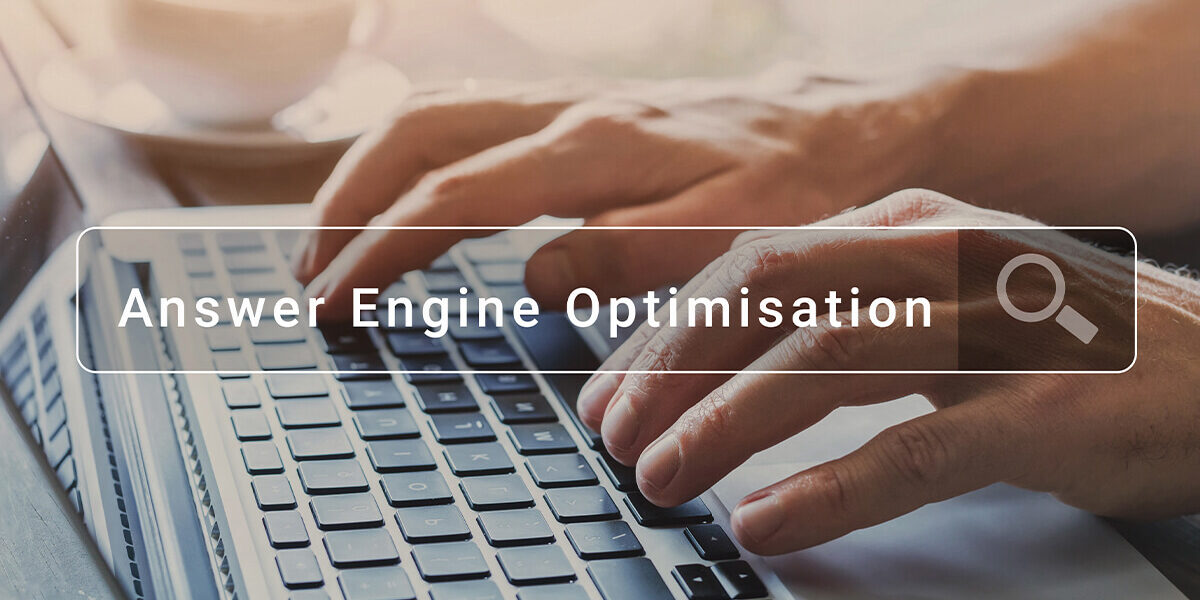
Your customers are no longer just Googling. They’re asking ChatGPT, Perplexity, and Gemini — and if you’re not showing up in those answers, you don’t exist to them.
There’s something that’s happening right now in your market, whether you know it or not. A potential customer someone who was just referred to you by a happy client sits down and types your business category into ChatGPT. Not your name. Just what you do. “Best marketing agency for small businesses in Phoenix.” Or “Who handles reputation management for service businesses?” And an AI answers them. With a list. With recommendations. With citations.
The question is: are you on that list?
If you don’t know the answer, that’s exactly the problem. And it’s why we’ve added AI Search Optimization to our services at Strategic Results. Not because it’s trendy. Because we’ve been navigating what happens online since 1999, and this shift is as significant as when search engines first started deciding who got found and who didn’t.
AI-powered search now handles 60% of online queries and businesses that master it are capturing disproportionate market share."
What Changed And Why It Matters Right Now
Traditional SEO was about ranking. Page one of Google. The blue links. You’ve heard us talk about this for years, and it still matters. But something fundamental has shifted in how people search for information and for businesses like yours.
AI tools like ChatGPT, Google’s AI Overviews, Perplexity, Microsoft Copilot, and even Siri have changed the first move your potential customer makes. Instead of scanning a list of links and clicking around, they ask a question and get a synthesized answer. An answer that cites sources. An answer that recommends businesses. An answer that could be sending your competitor clients every single day.
The game isn’t just ranking anymore. It’s being cited. It’s being the source that AI trusts enough to recommend.
The difference between traditional SEO and AI Search Optimization
Traditional SEO
- Get your page to rank on Google's results page
- Target keywords people type into search bars
- Measure clicks and rankings
AI Search Optimization
- Get your business cited inside AI-generated answers
- Target questions people ask AI assistants
- Measure citations, mentions, and AI share-of-voice
What AI Search Optimization Actually Involves
We’re not talking about a magic button or a clever hack. AI systems ust like the humans who built them reward expertise, clarity, and trustworthiness. If your online presence demonstrates all three in a format these systems can read, understand, and cite, you show up. If it doesn’t, you don’t.
- Content That Answers Real Questions
AI tools are built to answer questions. So your content needs to do the same. This means building pages and posts structured around the exact questions your customers are typing into ChatGPT with clear, authoritative, complete answers. Not marketing fluff. Not keyword stuffing. Real answers that demonstrate you know your stuff.
- Technical Structure AI Can Read
Schema markup, structured data, clean site architecture these are the signals that tell AI crawlers what your business does, who it serves, where it operates, and why it should be trusted. If this sounds like SEO fundamentals, that’s because it is. The difference is we’re optimizing for machines that are a lot smarter than the old search algorithms.
- Authority Signals Across the Web
AI systems don’t just look at your website. They look at what the rest of the internet says about you. Are you mentioned in industry publications? Do reputable sites link to you? Do your reviews across platforms tell a consistent, positive story? All of this feeds into whether an AI recommends you or your competitor.
- Monitoring What AI Actually Says About You
Right now, you probably have no idea what ChatGPT says when someone asks about your business category. We do that audit. We find out. And then we build a strategy to change it if it’s not working in your favor.
Frequently Asked Questions
Do I need AI Search Optimization if I'm already doing SEO?
Yes and the good news is, there’s significant overlap. If we’re already working on your SEO, you have a head start. AI Search Optimization builds on that foundation with additional content structure, schema implementation, and citation-building specifically aimed at AI systems. Think of it as the next layer on top of what you’ve already invested in.
Which AI tools are we optimizing for?
The primary platforms we target are ChatGPT (OpenAI), Google AI Overviews, Perplexity, Microsoft Copilot, and Gemini. These currently handle the largest share of AI-assisted searches. The strategies that work across these platforms are largely consistent, so optimizing for one tends to lift visibility across all of them.
How long does it take to see results?
Honest answer: this is newer territory, and AI citation patterns are still evolving. That said, businesses that take action now have a significant advantage over those who wait. We typically begin seeing measurable improvement in AI visibility within 90 to 180 days, with ongoing gains as content depth and authority build over time.
Is this something my business actually needs, or is it hype?
We’ve been in this business since 1999. We’ve seen plenty of trends come and go. This isn’t one of them. The shift toward AI-assisted search is structural, not cyclical. Gartner projects traditional search will decline 25% by 2026. Google itself is leading that shift with AI Overviews appearing in over half of all search results. This is not a “wait and see” situation for businesses that depend on being found online.
Does my industry matter? Is this relevant for service businesses?
Service businesses exactly the kind we work with are among the most affected. When someone needs a contractor, a consultant, a coach, an attorney, or a marketing agency, they are increasingly asking AI first. The businesses that show up in those answers are getting calls. The ones that don’t are losing opportunities they don’t even know exist.
How does this connect to my reputation management?
Directly. AI systems pull sentiment signals from reviews, from third-party mentions, from social profiles. Your reputation online isn’t just about what humans read anymore — it’s about what AI reads and repeats. The reputation management work we do feeds directly into AI visibility. For existing clients, this is a natural extension of what we’re already doing together.
Before You Hire Anyone to Do This Read This First
We’ve put together a plain-English guide covering what to ask, what to watch out for, and what good AI Search Optimization actually looks like in practice.