
What Is AI Search and How Does It Work?
Not long ago, searching meant typing a few keywords and scanning a list of blue links. Today, many people ask a question in plain language and receive a written answer, often with a few sources underneath. That shift is what people call AI search.
AI search is search that uses generative AI to understand a question and give a direct, written answer, often with links to sources, instead of only listing web pages. It appears as AI-generated summaries inside traditional search engines and in chat-style tools that look up information as they respond.
For business owners, the important point is simple: customers can now form an opinion about your business, and even build a shortlist, without ever visiting a search results page.
How AI search differs from traditional search
- Traditional search: the person types keywords, receives a ranked list of pages, then clicks through and compares for themselves.
- AI search: the person asks a natural-language question, receives a combined answer, and can ask follow-up questions in the same conversation.
Questions also tend to be longer and more specific. Instead of “plumber near me,” someone might ask, “Who can fix a leaking kitchen tap this weekend, and what should it cost?” The answer is built from several sources at once.
How AI search works in simple terms
The details vary by product, but most AI search tools follow a similar pattern:
- Understand the question. A large language model interprets what the person is really asking.
- Find relevant information. The system retrieves pages, listings and other sources it considers useful, often using a search index.
- Write the answer. Generative AI combines what it found into a clear response.
- Show sources. Many tools display links or names of the pages they used, which are known as citations.
This combination of finding information and then generating an answer from it is why AI search can feel both current and conversational.
Where AI search shows up
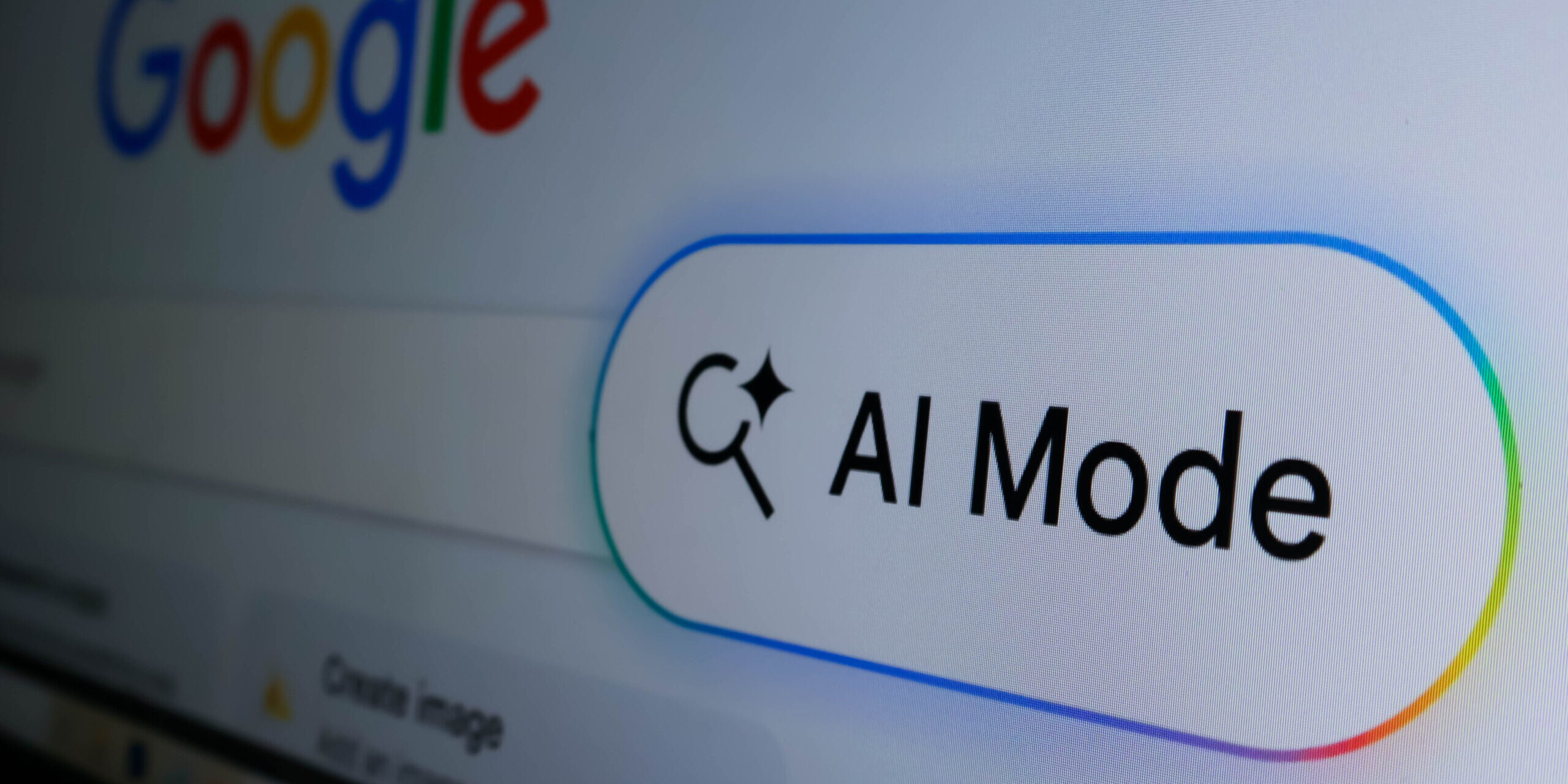
- AI-generated summaries and conversational modes inside major search engines, such as Google’s AI Overviews and AI Mode
- Chat assistants that can search the web, including ChatGPT, Gemini, Perplexity, Copilot and Claude
- Voice assistants and smart speakers
- Browsers and apps with built-in AI features
- Search tools inside some social and shopping platforms
Product names and features change quickly, so focus on the behaviour rather than any single tool.
What changes for businesses
- The recommendation happens inside the answer. If your business is not mentioned, a customer may never know you were an option.
- Some simple questions may result in fewer clicks. When the answer is on the screen, fewer people need to visit a website.
- Comparisons and “best for” questions are common. People ask AI tools to compare providers and explain differences.
- Accuracy matters more. The description of your business may come from several sources. If they disagree, the answer can be wrong or vague.
- Being mentioned or cited becomes a new goal alongside ranking well. We cover this under AI visibility.
What does not change
The fundamentals still matter. Clear service pages, helpful content, an accurate Google Business Profile, genuine reviews and a trustworthy website all support both traditional and AI search. Google has said that its AI features rely on its existing Search systems, which is one reason sound SEO remains the base of everything else.
How to prepare your business for AI search
- Ask the questions yourself. Put the kinds of questions your customers ask into several AI tools. Note whether you appear and whether the information is correct.
- Answer real questions on your website. Create clear pages and FAQs that respond directly to what customers ask.
- Keep business information consistent. Your name, services, location and contact details should match everywhere.
- Build trust signals. Reviews, case studies, credentials and named experts help show that you are credible.
- Make content easy to read. Use clear headings, short paragraphs and plain language so both people and machines can understand it.
- Check technical access. Make sure important pages can be crawled and indexed, and that you are not accidentally blocking them.
- Track changes over time. Record what AI tools say about your business each month so you can see progress.
Common mistakes
- Ignoring it. Assuming your customers still search the way they did five years ago.
- Chasing tricks. There is no secret switch that guarantees a mention.
- Mass-producing thin pages. Many low-value pages are less useful than one excellent resource.
- Testing only one tool. Different tools use different sources and can give different answers.
- Neglecting reviews and listings. These are often the sources AI tools rely on for local businesses.
- Expecting guaranteed results. Nobody controls what an AI tool decides to say.
Frequently asked questions
Is SEO dead because of AI search? No. Many AI search features build on existing search systems, so strong SEO is still the foundation. AI search adds new ways of being found, it does not remove the old ones.
Do AI search tools always show their sources? Not always. Some show links and citations clearly, while others give answers with little or no attribution.
Can I pay to be included in AI answers? Answers are generally earned through the quality, clarity and reputation of your information. Some platforms test or show ads alongside AI features, but that is separate from being mentioned naturally.
How is AI search different from AEO? AI search is the technology and behaviour. AEO is the practice of making your content easier for it to use.
Where to go next
If you want to understand what powers these tools, read about generative AI and LLMs. To improve how you appear, explore AI visibility, AEO, GEO and citations.
Curious how your business shows up? Contact us or return to the Marketing Terms Glossary.